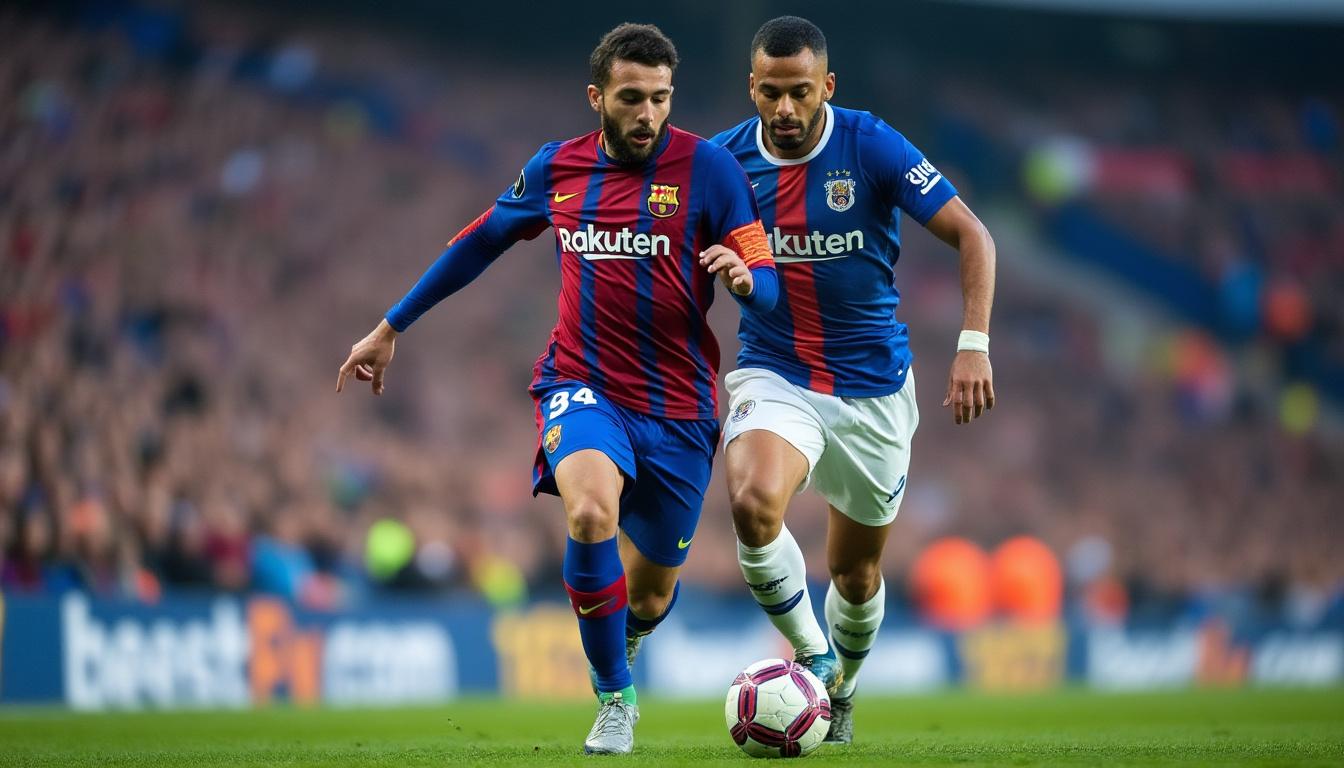
International windows in La Liga 2023/24 repeatedly broke the rhythm of the league and reshaped how fit players were, which line-ups coaches trusted, and how predictable post-break results actually became. Bettors who treated those weekends as “normal rounds” often underestimated how travel, minutes, and squad hierarchy distorted both performance and line-up stability once the league resumed.
Why FIFA Windows Distort La Liga Form More Than They Appear To
On the surface, FIFA breaks look like rest periods because the league stops, but for core internationals they are often the most intense stretches of the month. Travel across time zones, different training loads, and emotionally charged matches for national teams all push fatigue and injury risk upward just before domestic fixtures return. At the same time, non‑called-up squad players remain at the club, training normally and staying fresh, which widens the gap in readiness inside the same La Liga dressing room immediately after the window.
How International Duty Changed Fitness Profiles in 2023/24
Across La Liga 2023/24, top clubs with many internationals regularly returned from FIFA windows with key players carrying minor knocks, jet lag, or simply having accumulated close to 180 competitive minutes in four to five days. That meant that, in the first match back, some of the league’s best attackers and midfielders entered with higher fatigue loads than their club teammates and many opponents. By contrast, domestically focused or lower-profile players often used the same period to sharpen fitness with controlled training, making them more physically ready even if they were not first-choice on paper before the break.
Rotation Decisions Immediately After FIFA Breaks
Because of those unequal fitness profiles, coaches frequently altered starting XIs in the first game after a FIFA window, whether or not they announced it clearly beforehand. Some managers chose to rest long-haul internationals from the start, bringing them on only if the match demanded it, while others started them but shortened their minutes to manage risk. In several La Liga 2023/24 fixtures, this led to line-ups that were weaker on star power but stronger in freshness and training time, meaning that pre-break form did not always carry cleanly into post-break performance.
Typical Post-FIFA Patterns Across Different Team Types
The effect of FIFA windows varied across club profiles rather than hitting all La Liga 2023/24 sides equally. To anticipate which matches might be most distorted, it helped to map teams by international representation, depth, and tactical reliance on specific players. The table below summarises recurring patterns that mattered for bettors.
| Team Profile | International Load | Post-Break Tendency | Betting Risk |
| Big club with many internationals | Very high | Rotation, reduced intensity, late subs | Favourite may underperform short prices |
| Mid-table with few internationals | Moderate | More continuity, fresher core XI | Home-value potential vs tired visitors |
| Relegation struggler with locals | Low–moderate | Stable line-ups, high motivation | Upset or handicap value vs rotated giants |
| Europa-level squad with mixed load | Split between starters and depth | Patchy cohesion, some rusty players | Increased uncertainty in patterns and totals |
From a 2023/24 betting standpoint, this meant that a heavy favourite coming off a FIFA break, especially away, was more vulnerable to surprise draws or narrow wins than pre-break dominance alone implied. Meanwhile, stable mid-table sides with few internationals sometimes emerged from windows sharper than their more glamorous opponents, producing outcomes that looked like “shocks” only to those who had ignored the underlying fitness and rotation context.
Integrating FIFA Window Effects Into a Pre-Match Checklist
For regular La Liga bettors, treating post-FIFA rounds as special cases rather than ordinary matchdays was a practical way to avoid misreads. A simple pre-match checklist might include tracking which squads had many players away, noting long-haul travel to South America or Asia, and watching for late injury reports from national-team camps. When that information showed a heavy split—starters fatigued, back-ups fresh—it logically suggested recalibrating expectations on pressing intensity, chance creation, and the likelihood that second-half performance would dip for the more overloaded side.
In this context, the structure of your betting tools could either help or hinder that discipline. When a bettor logs into a betting platform such as ufa168 game around a post-FIFA La Liga weekend, the interface usually highlights headline fixtures, boosted odds, and accumulator suggestions without automatically flagging which teams carry hidden fatigue or rotation risk. If you arrive with your own map of who travelled, who trained, and which clubs historically rotate heavily after breaks, you are better positioned to select only those markets where post-FIFA dynamics and pricing genuinely align, instead of being swayed by surface narratives or interface emphasis.
Where FIFA-Break Angles Strengthen or Weaken Betting Ideas
FIFA windows did not always produce chaos; sometimes they reinforced edges for bettors who could connect squad structure with tactical style. For high-pressing La Liga 2023/24 teams whose game relies on synchronized intensity, heavy international loads often led to less effective pressing and more transitional vulnerability in the first match back, which supported overs or BTTS angles despite their usual defensive numbers. Conversely, slower, possession-based teams that retained most of their XI at home sometimes regained control and solidity after windows, making unders or cautious handicaps more reasonable when they faced fatigued, end-to-end opponents.
Situations Where FIFA-Break Narratives Misled Bettors
There were also clear failure cases when bettors over-applied FIFA-break logic. Sometimes, widely discussed fatigue concerns were already priced in, with markets shading against big clubs so heavily that value lay in trusting their squad depth instead of fading them. In other cases, coaches surprised observers by playing stronger line-ups than expected to rebuild rhythm or respond to poor pre-break form, meaning that automatic assumptions about rotation, especially without checking local reports and training updates, led to misplaced bets.
Keeping FIFA-Break Analysis Separate From Other Gambling Volatility
The analytical work of tracking travel, internationals, and rotation risk only influences outcomes in football markets that respond to those inputs. When the same bankroll also moves into products detached from match fitness or line-up nuances, swings from those areas can obscure whether your FIFA-break reading of La Liga 2023/24 is genuinely profitable. If you conceptually fold everything into a single category, for example labelling all activity under casino online, it becomes difficult to tell whether post-window adjustments to your football model are actually improving decision quality or being drowned out by unrelated variance.
Summary
FIFA international breaks in La Liga 2023/24 quietly reshaped fitness levels, rotation choices, and tactical effectiveness, particularly for clubs with many internationals and congested schedules. Those shifts meant that the first league matches after windows carried different risk profiles from ordinary rounds, with some favourites fielding weakened or fatigued XIs and some less glamorous teams emerging sharper and more cohesive than usual. For bettors who systematically tracked who travelled, who stayed, and how coaches historically responded, FIFA windows became a structured factor in pre-match analysis rather than a source of random surprises, provided that this edge remained part of a disciplined football process and was not conflated with other forms of gambling volatility.